Us
Learned how to effectively make high level product decisions
Improved the communication skills to have better relationships with leadership
Innovating is not that hard as long as you speak the right language to everyone involved
Pet owners struggle with managing healthcare needs for their pets.
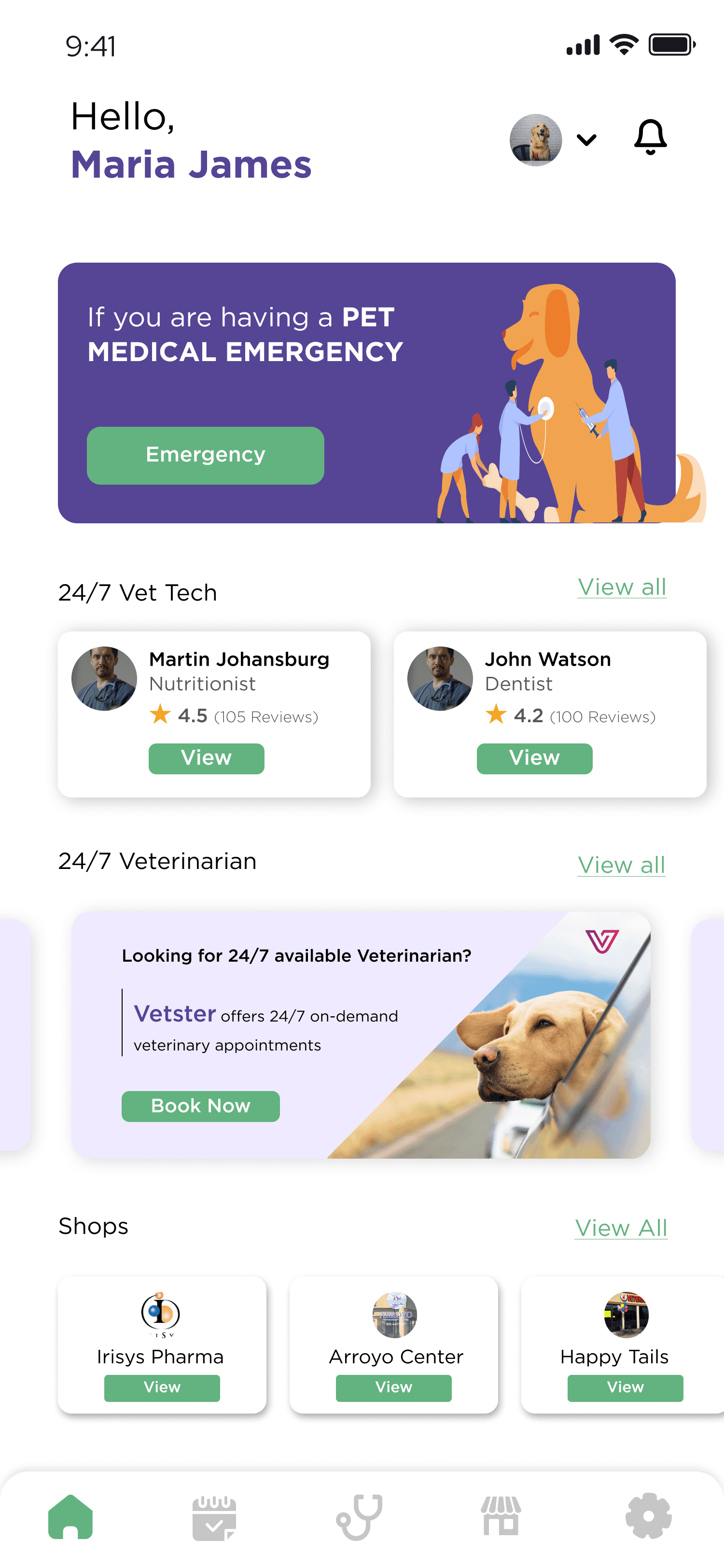
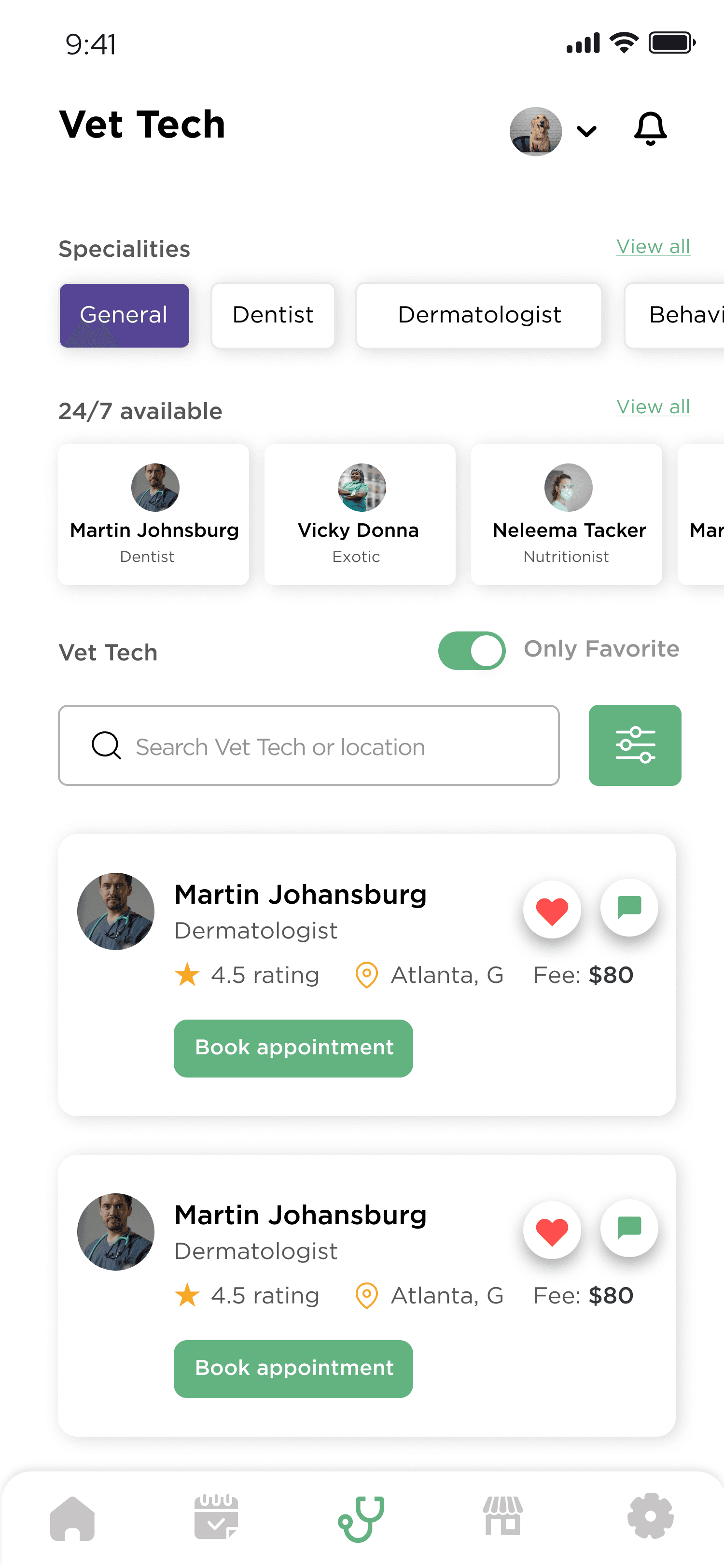
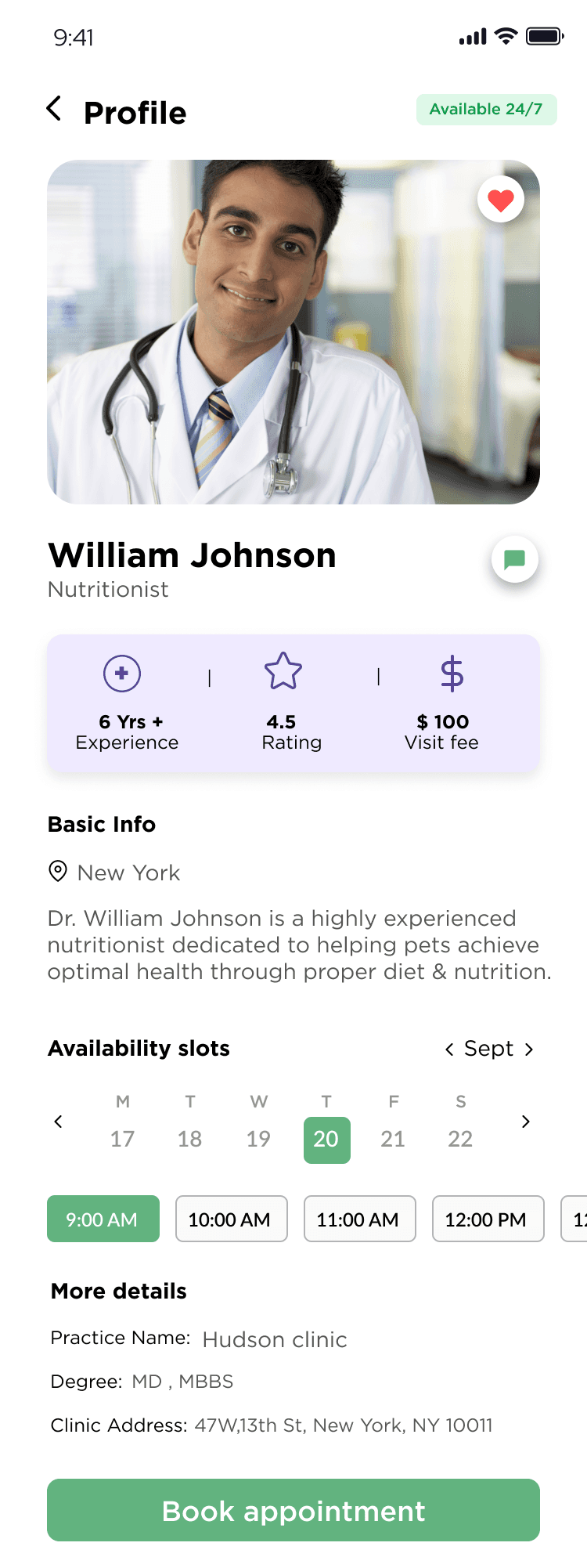
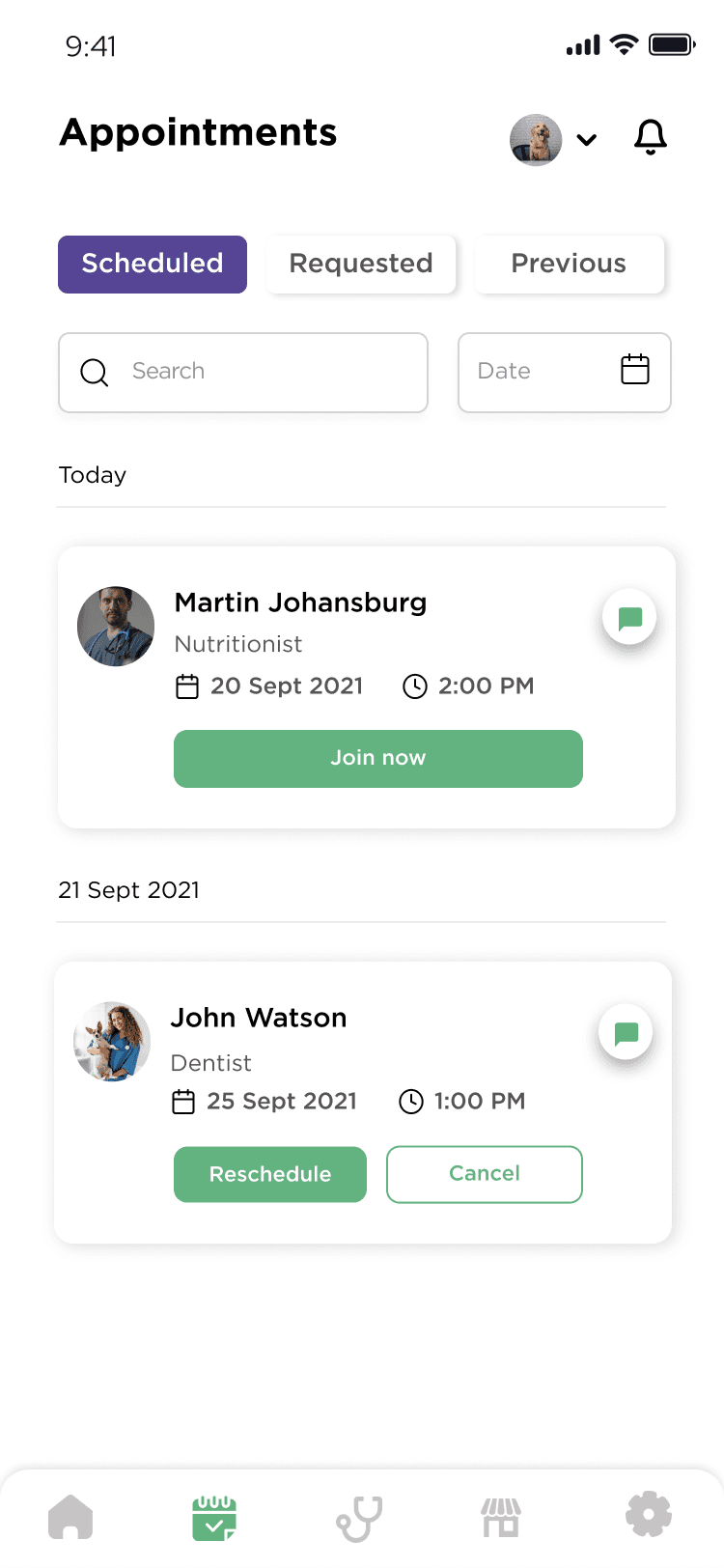
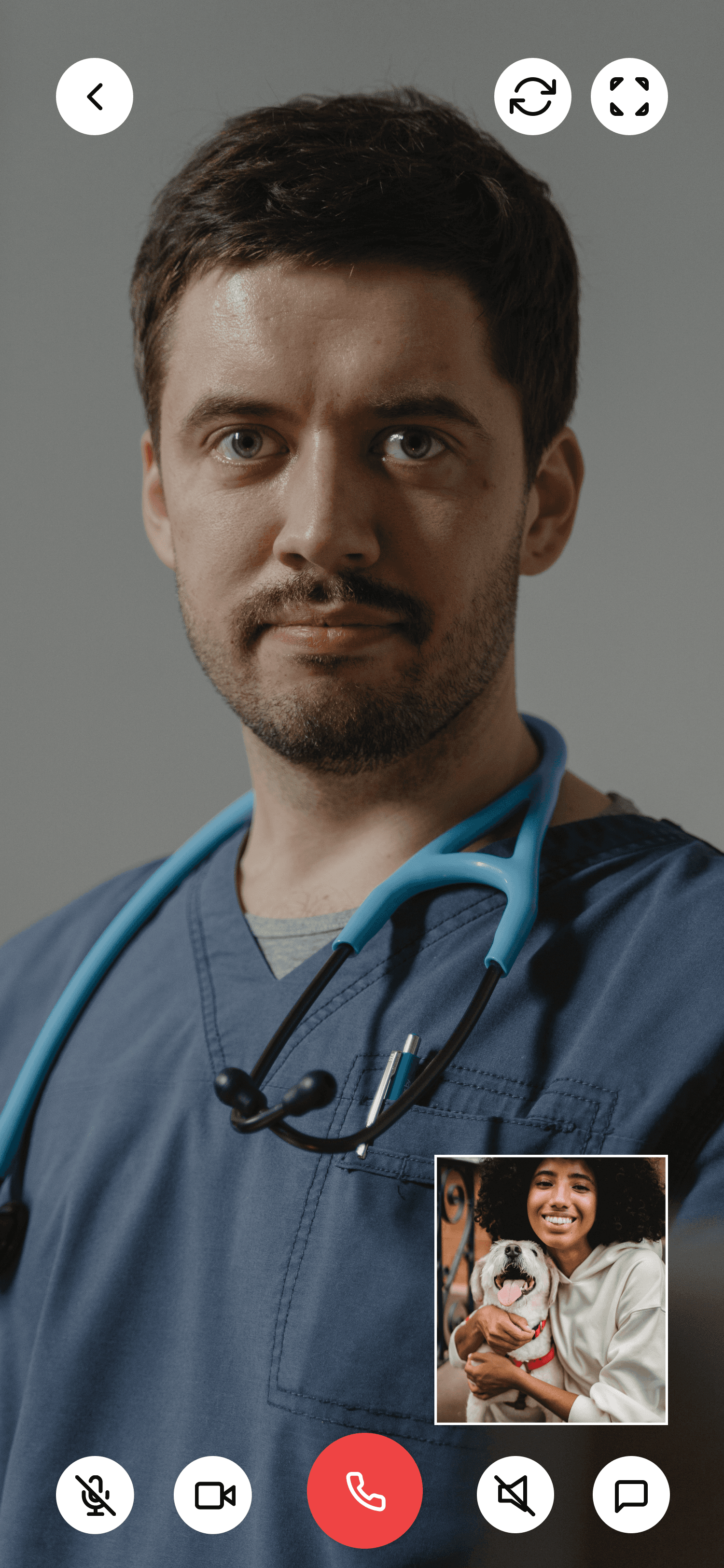
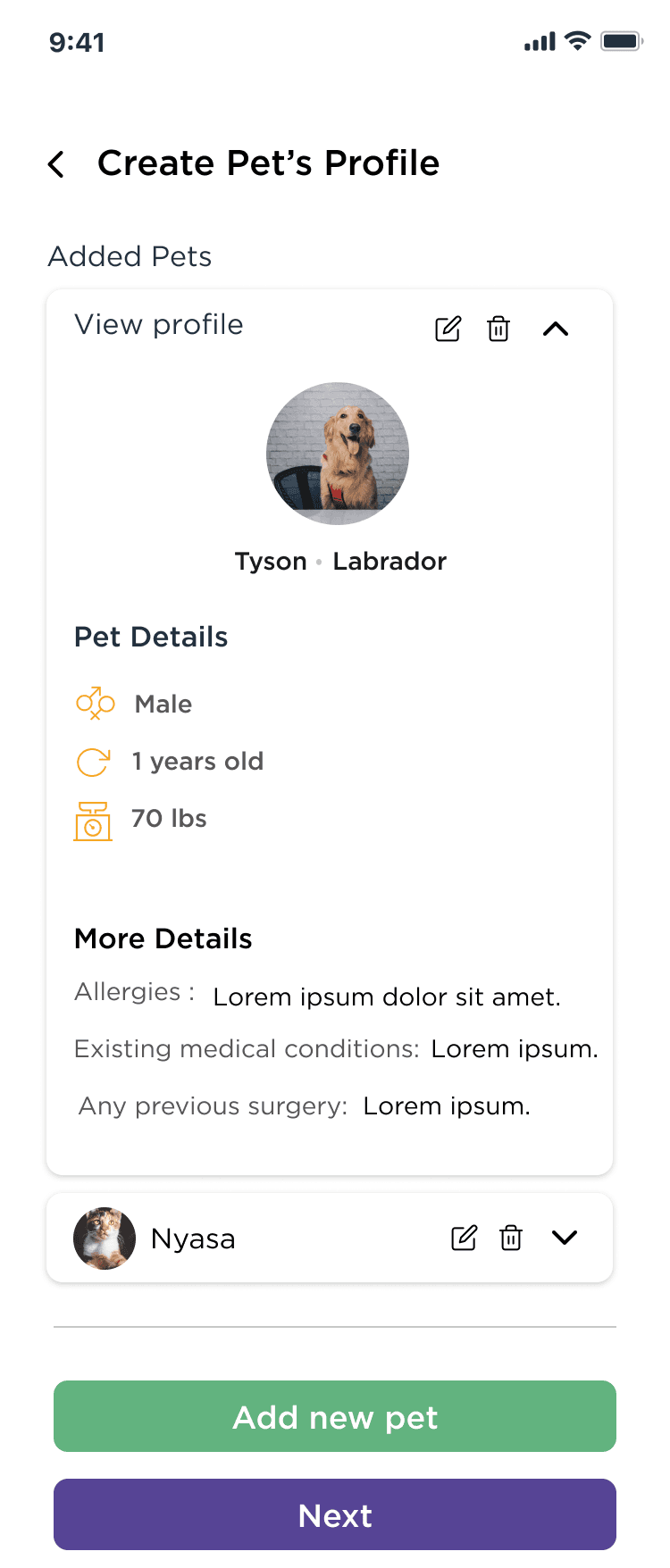
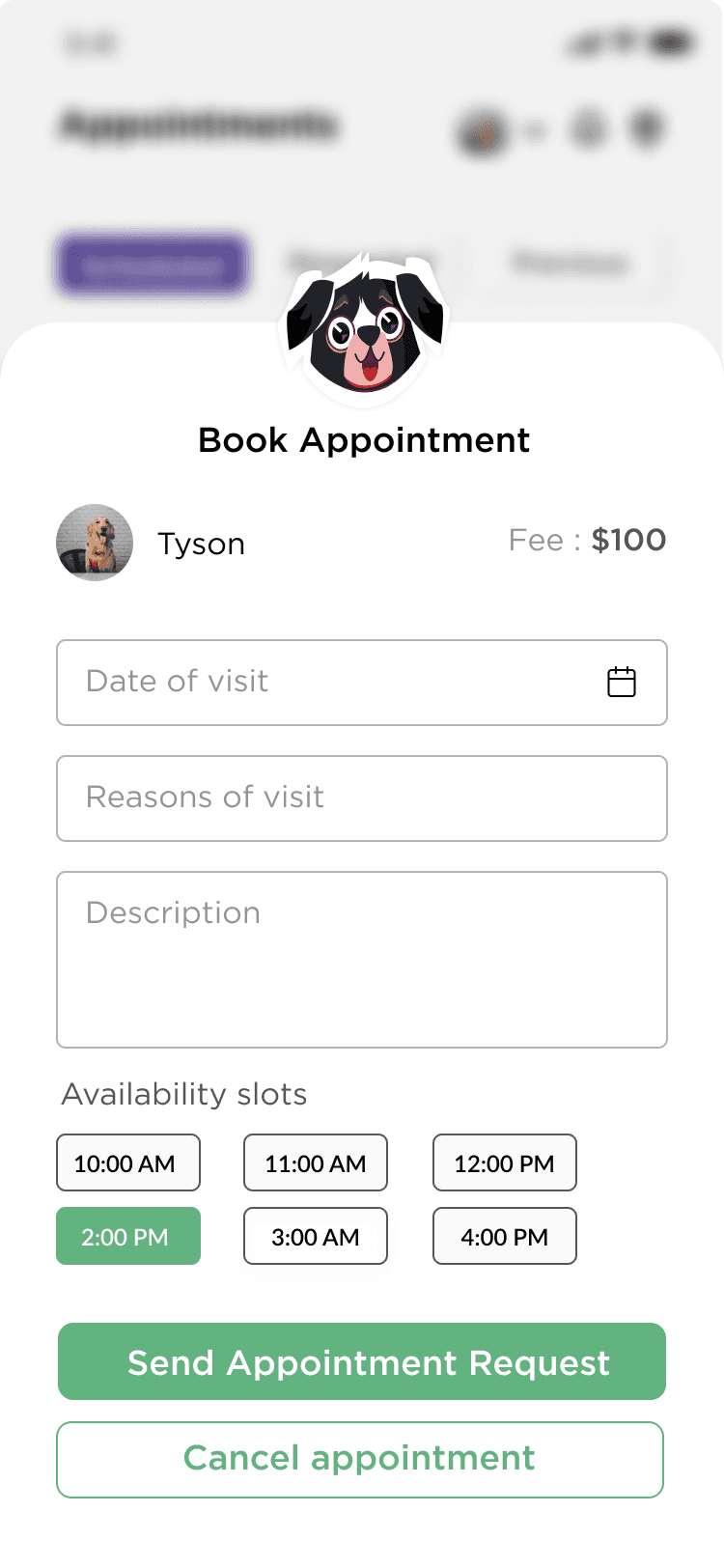
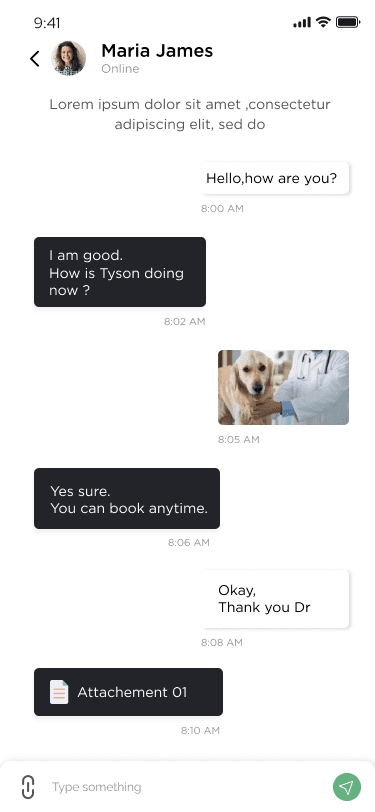
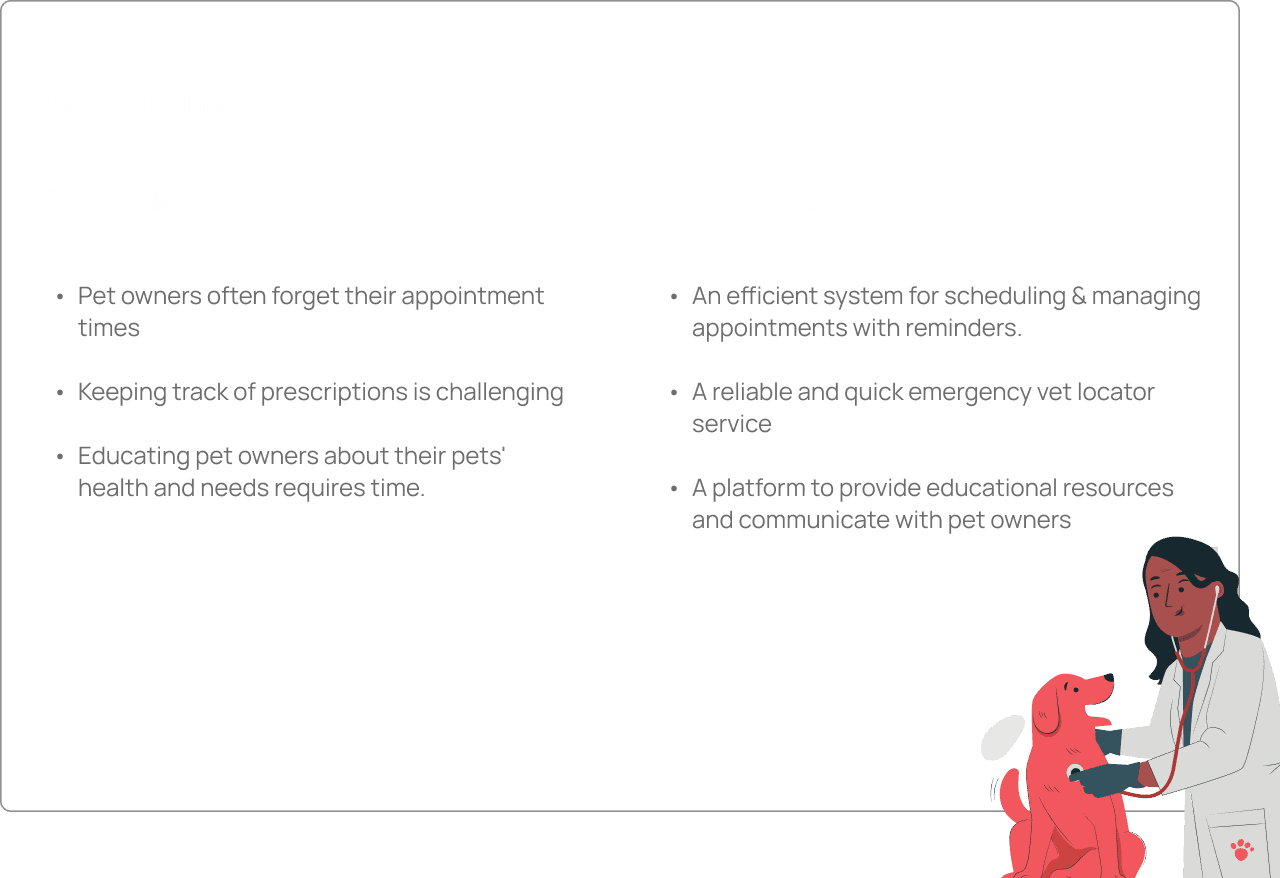
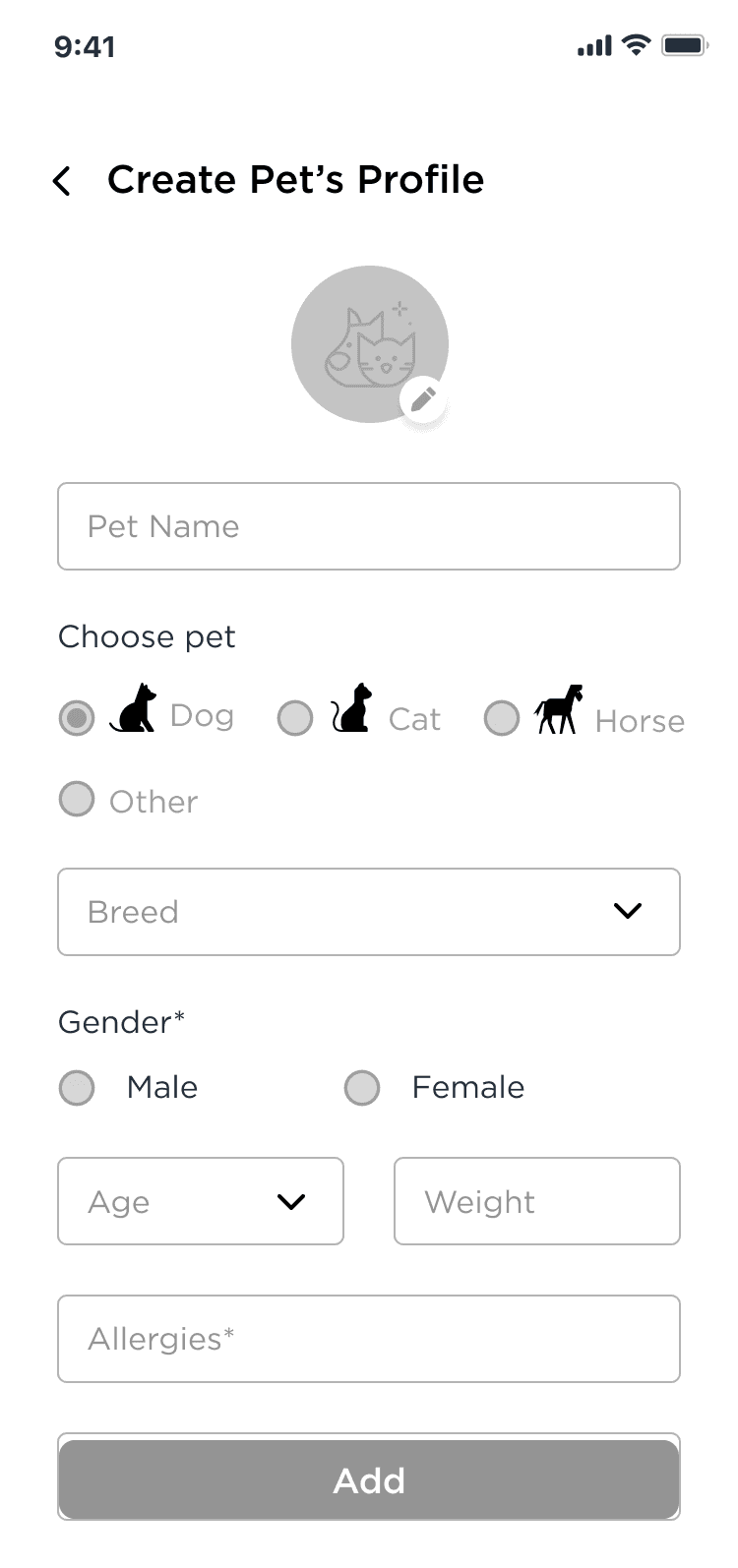
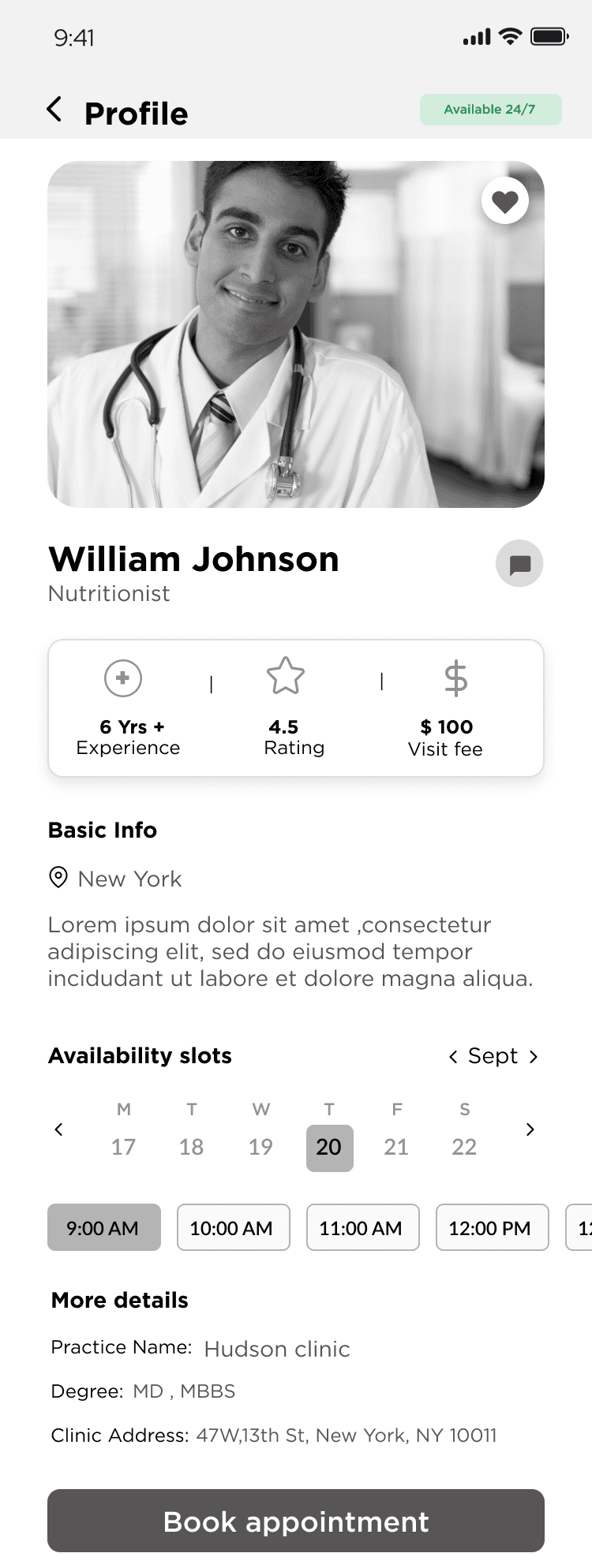
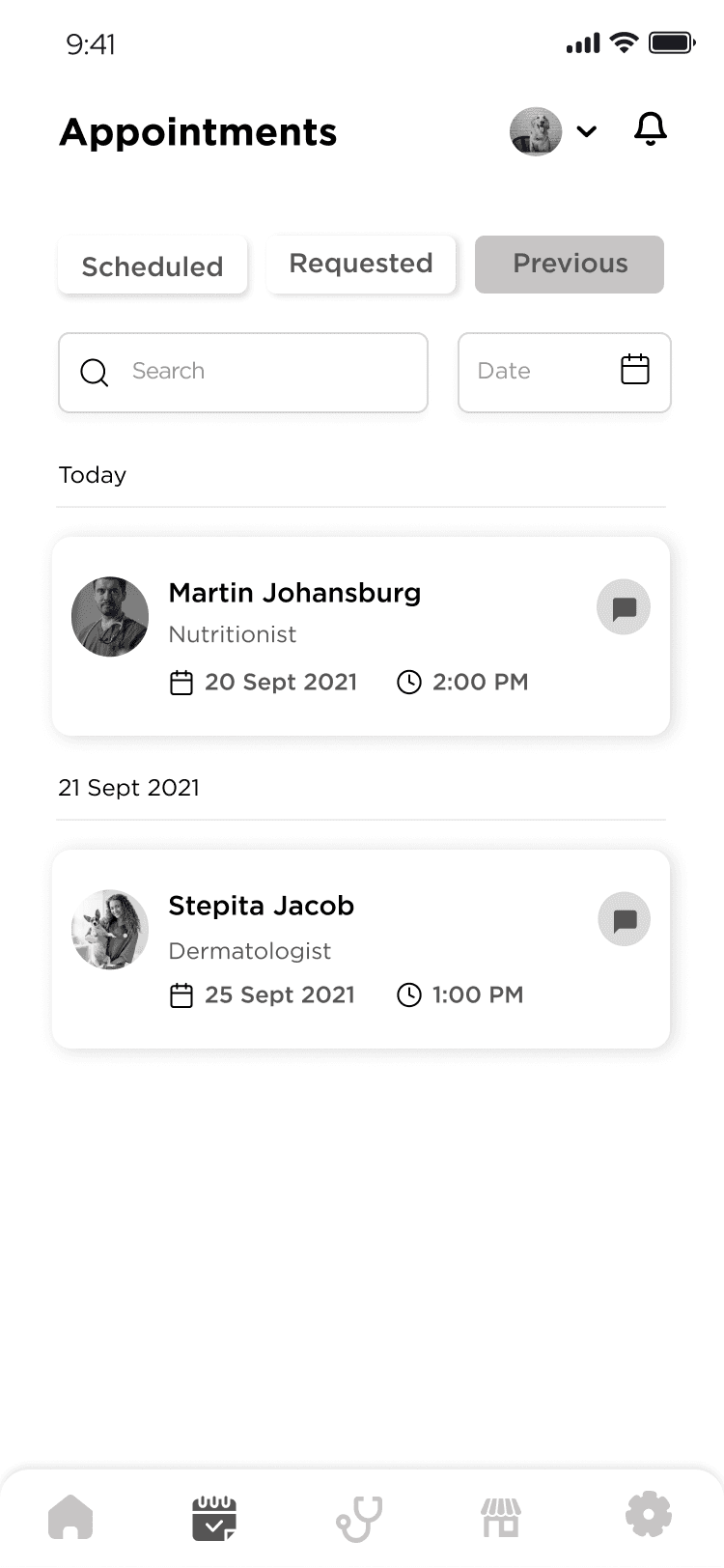
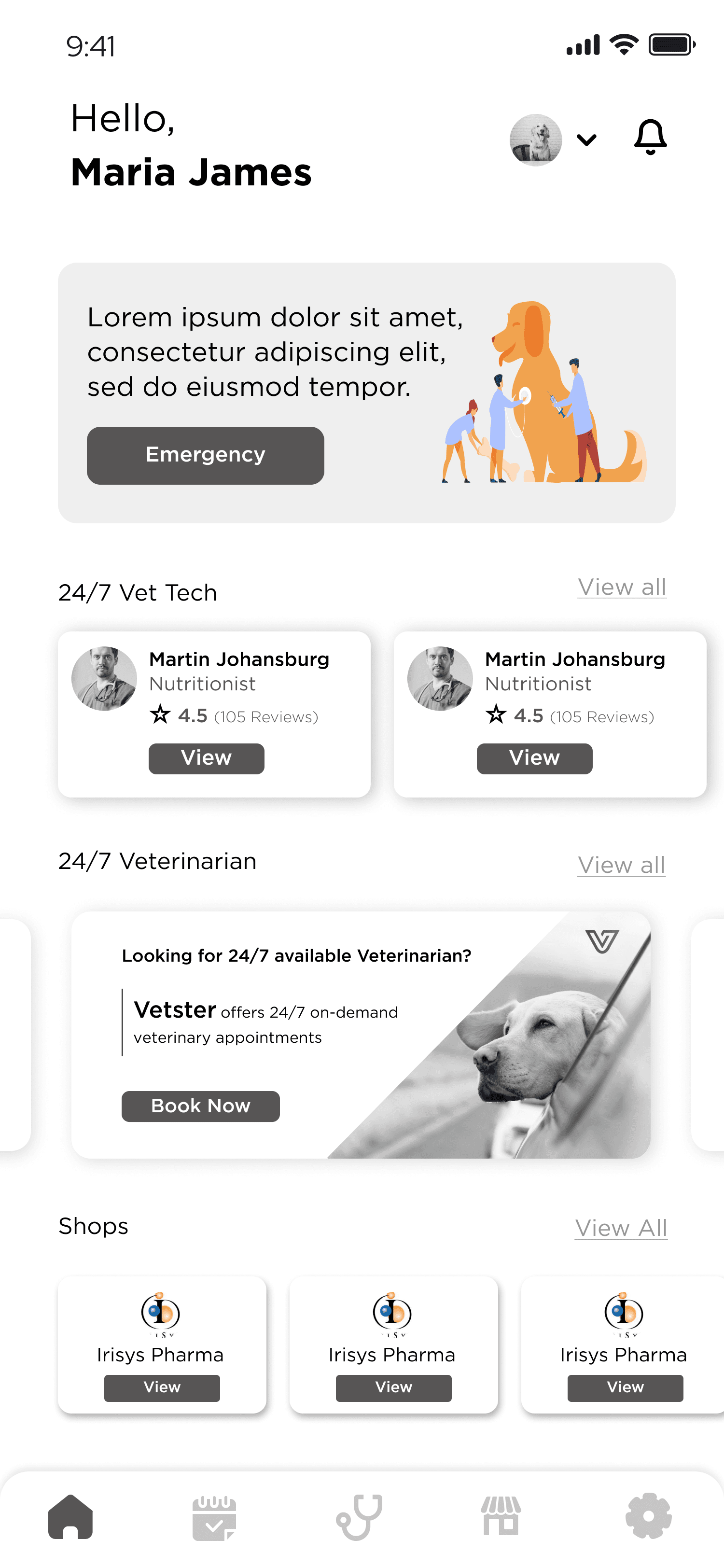
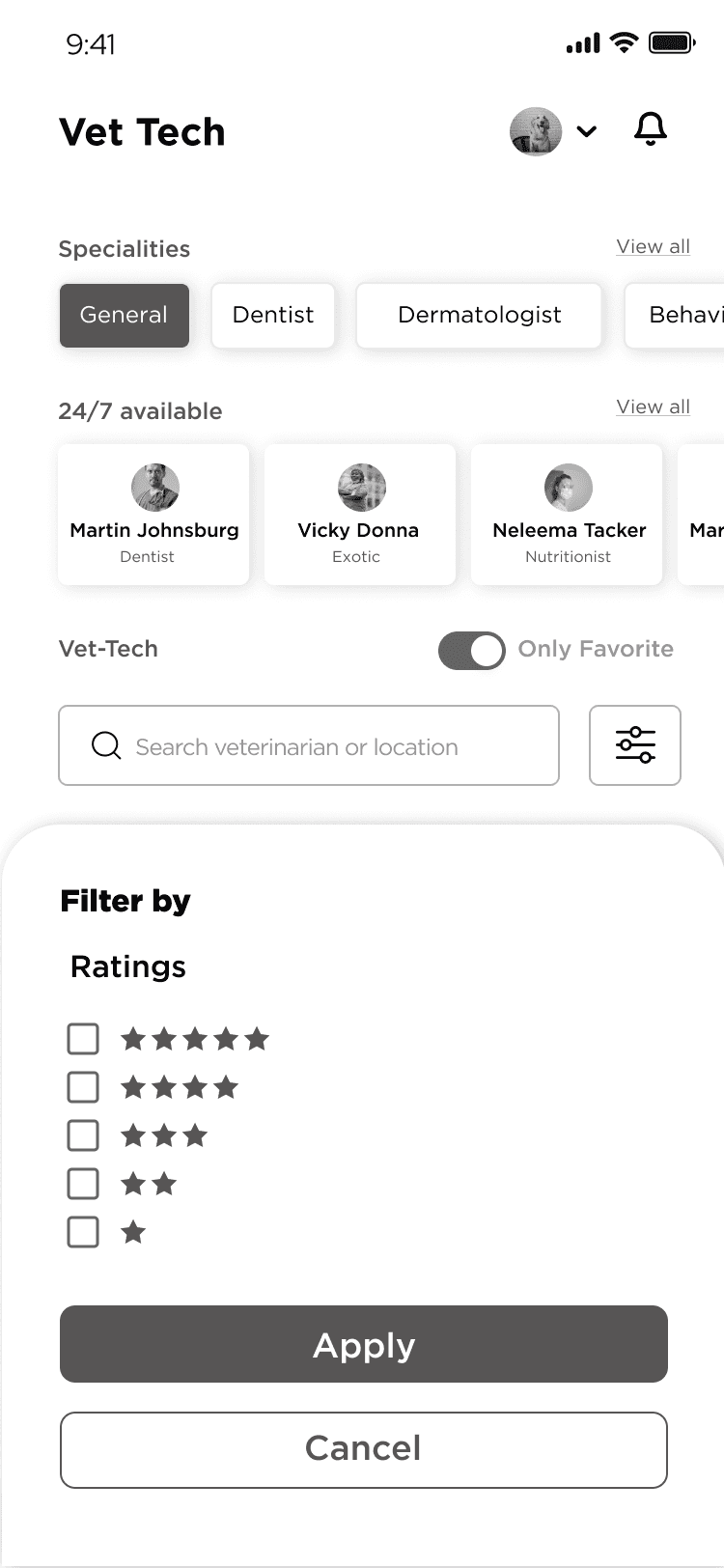
Pet owners face significant challenges in managing their pets' healthcare needs. They require a seamless way to schedule vet visits, obtain prescriptions, find the nearest doctor during emergencies, and shop for their pets.
The primary challenge is to design an integrated platform that simplifies these processes, enhancing the overall pet care experience.
How did I design the final product?
Initially, I did not know much about Healthcare domain :(
I just like any other person outside the domain of pharmaceuticals - I also had endless questions like these. I defined my design process, starting with answering these questions.
-What are the essential aspects
-What are the current practices
-What challenges need to be addressed
-Who are the key users & where do they need it most?
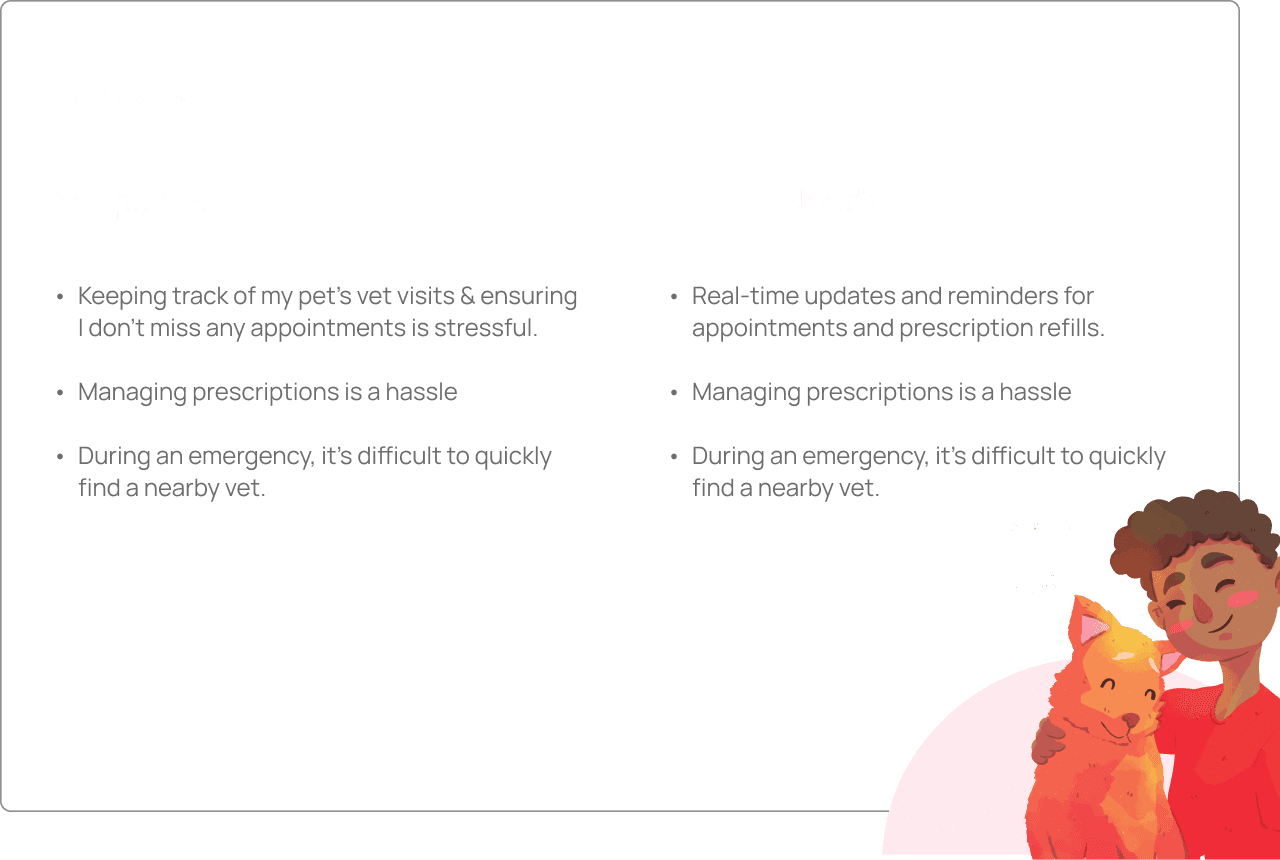
I started with understanding the user requirements. I conducted subject matter interviews to understand the “whys” behind the 3 major problems that were described to me initially. Additionally to understand the users, painpoints and their needs.
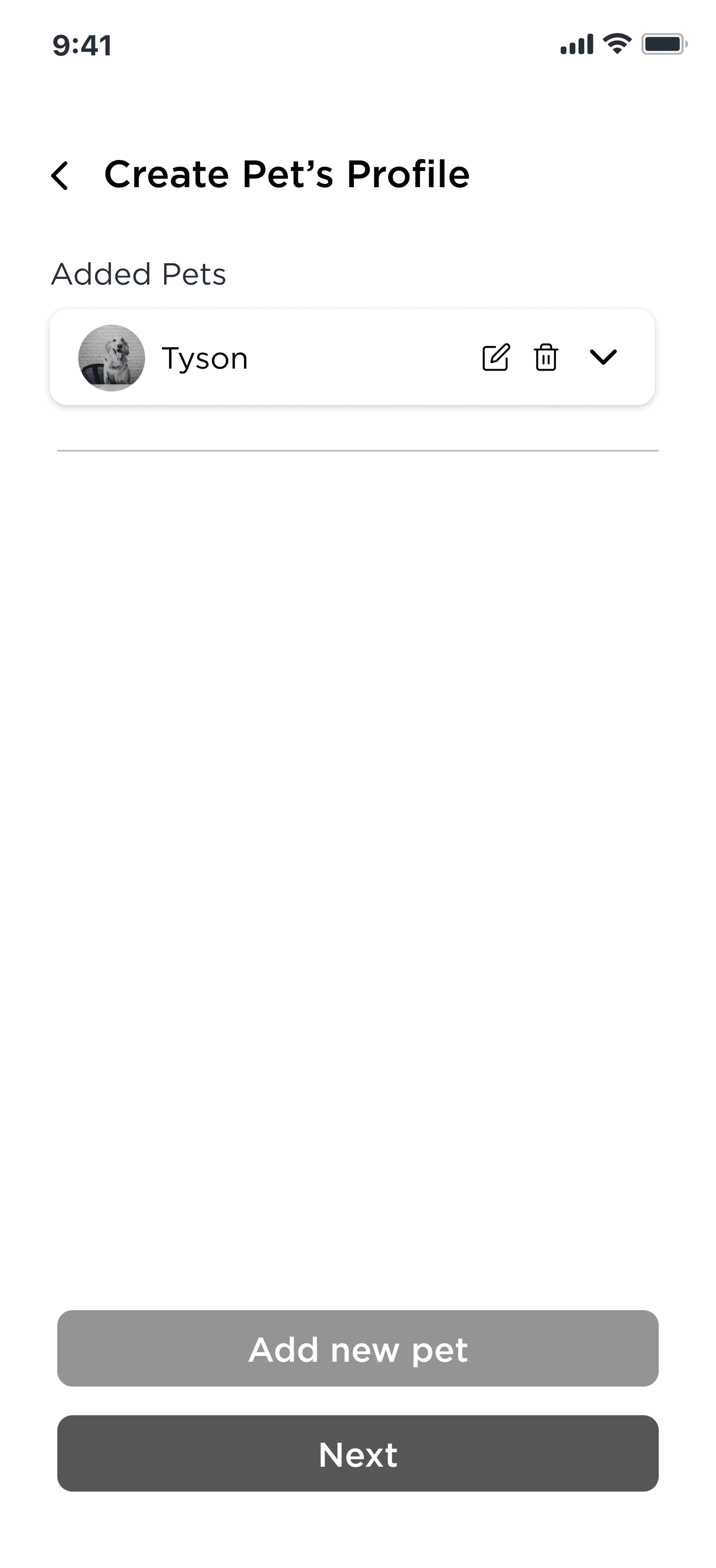
Manual and fragmented processes burden pet care management. Pet owners need to individually manage vet appointments, prescription refills, emergency contacts, and shopping for pet supplies. The lack of a unified platform results in inefficiencies and delays, impacting the overall care and well-being of pets.
Test results and medical records are often scattered, making it challenging for pet owners to quickly access and manage important information during emergencies or regular health check-ups.

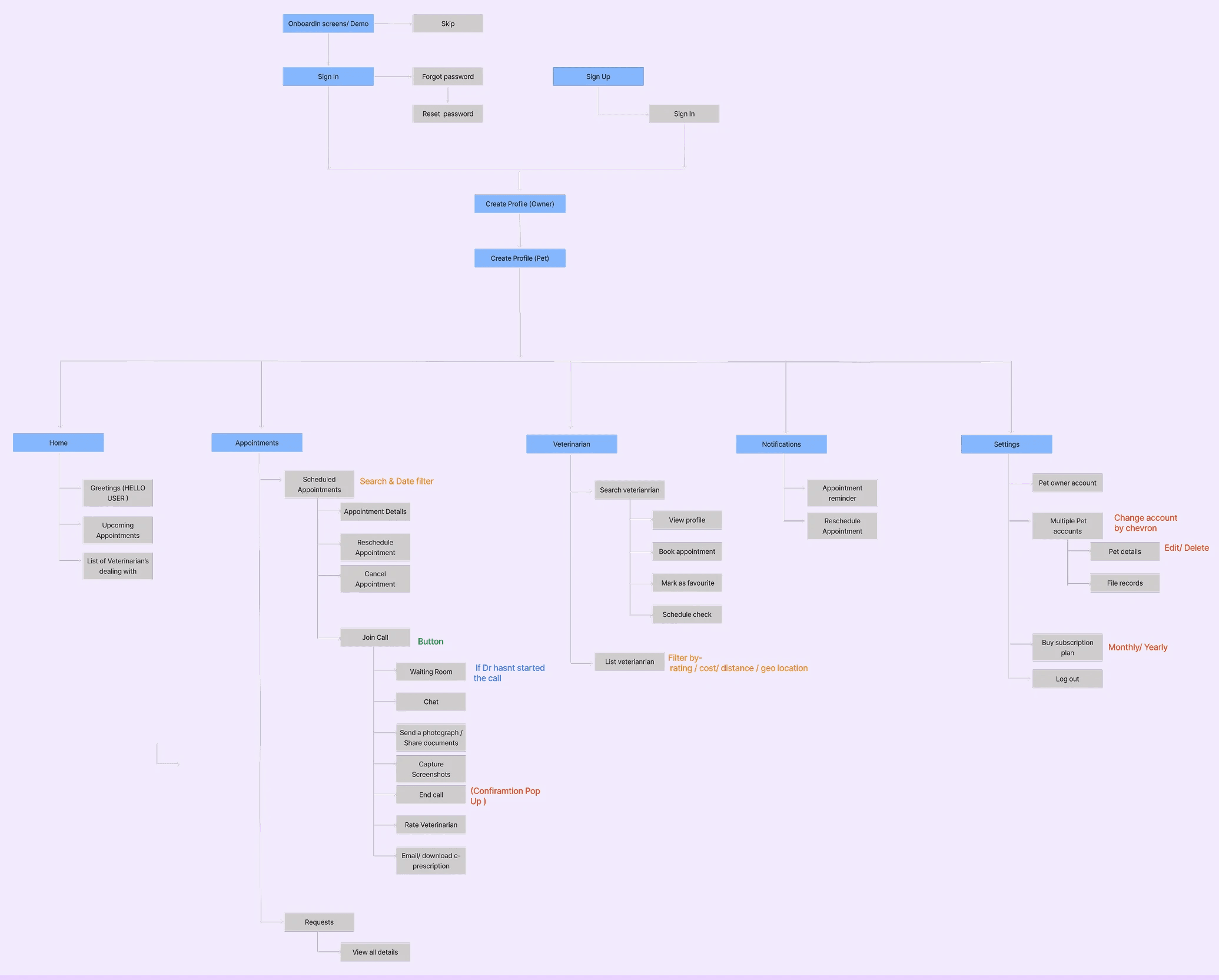
A few rounds of discussions with the UX Lead and client heads regarding the features, requirements, technical capabilities, and constraints happened, which inspired the user flow & architecture.
Existing products address some of the pain points, but no single product solves them all.
To understand the current landscape, I analyzed technologies used in veterinary scheduling and pet healthcare services based on these key factors:
They failed to provide:
-Emergency assistance
-Product availability integration
-Real-time emergency assistance
-Comprehensive scheduling system
-User friendly interface
-Real-time emergency assistance
-Comprehensive scheduling system
-Integrated prescription management
Understanding consumer preferences for handcrafted products, I split this into generative and evaluative. Generative included digital ethnography, cultural story mining, competitive analysis, stakeholder interviews, and sentiment analysis. Evaluative included usability testing, A/B testing, and cultural validation with heritage experts.
The cultural process had 4 phases: Market Analysis showed competitors had strong e-commerce but treated heritage products generically. Cultural Mining analyzed 200+ reviews and social media, revealing emotional language like 'soulful' and 'ancestral.' Story Clustering identified themes around authenticity, trust, and emotional connection.
UX Designer
Information Architecture
Defining visual language
Conducted market research
Competitive analysis
User flows
Voice of customers
Lessons
Problem statement
Key observations
Results and impact
Design Considerations
Research Methodology
My Role
For GoodpetsRx